
Do You Have the Right Sunglasses?
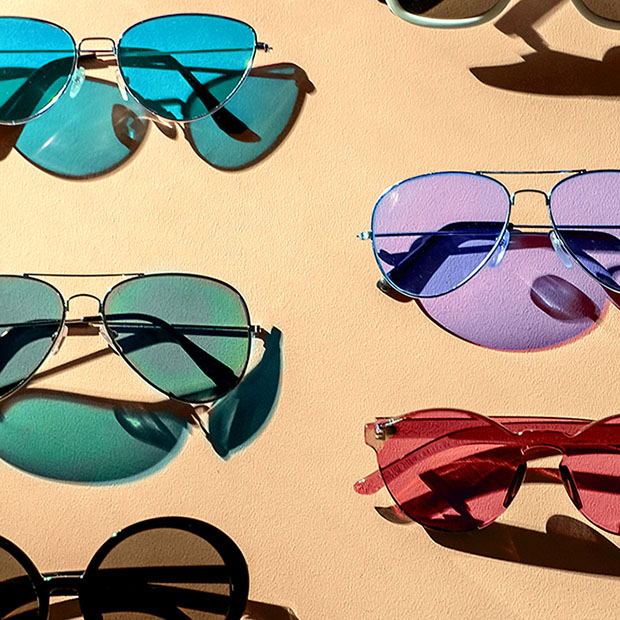
Sunglasses are an essential tool for protecting your long-term eye health.
But with so many styles, lens types, and price points on the market, it can be hard to know whether the pair on your face is actually doing its job. Here is what you need to know to choose wisely.
UV Protection Is Non-Negotiable
The single most important feature in any pair of sunglasses is ultraviolet (UV) protection. Prolonged UV exposure has been linked to serious eye conditions, including cataracts, macular degeneration, and pterygium (a growth on the white of the eye). Look for lenses labeled “100% UV protection” or “UV400,” which means they block all light rays with wavelengths up to 400 nanometers, covering both UVA and UVB radiation.
A dark tint alone does not mean your eyes are protected. In fact, heavily tinted lenses without UV protection can be more harmful than no sunglasses at all, because they cause your pupils to dilate while offering zero defense against damaging rays. Price is not always a reliable guide either. An inexpensive pair with proper UV coating can outperform a pricier fashion pair that lacks it.
The Case for Polarized Lenses
Polarized lenses reduce glare from reflective surfaces like water, pavement, and car hoods. They do not necessarily offer more UV protection than non-polarized lenses, but they can significantly reduce eye strain and improve visual comfort, particularly for driving, fishing, or spending long days outdoors. If you spend a lot of time near water or on the road, polarized sunglasses are well worth the investment. Keep in mind that polarized lenses can make it harder to read digital screens, so they may not be ideal for every activity.
Fit and Frame Coverage Matter
The best lenses in the world cannot protect you if your sunglasses leave your eyes exposed. Wraparound or larger-framed styles block UV light from entering at the sides and above the lens, which is especially important during outdoor activities when the sun is at different angles throughout the day. Look for frames that sit close to your face without pressing against your cheeks or brows. A good fit also means the sunglasses stay in place during movement, so your eyes are consistently shielded rather than intermittently exposed.
Children Need Protection Too
Kids spend far more time outdoors than most adults, and their eyes are more vulnerable to UV damage because the lens inside a child’s eye is clearer, allowing more UV light to reach the retina. Make sure children wear properly fitted sunglasses with full UV400 protection whenever they are outside, not just at the beach or pool.
When to See Your Optometrist
If you wear prescription glasses, ask about prescription sunglasses or photochromic lenses that darken automatically in sunlight. Transition lenses offer convenience, while dedicated prescription sunglasses often provide better optical clarity and protection for extended outdoor use. Your optometrist can help you find the right combination for your lifestyle, vision needs, and budget.