
Heterochromia: A Fascinating Eye Color Mutation
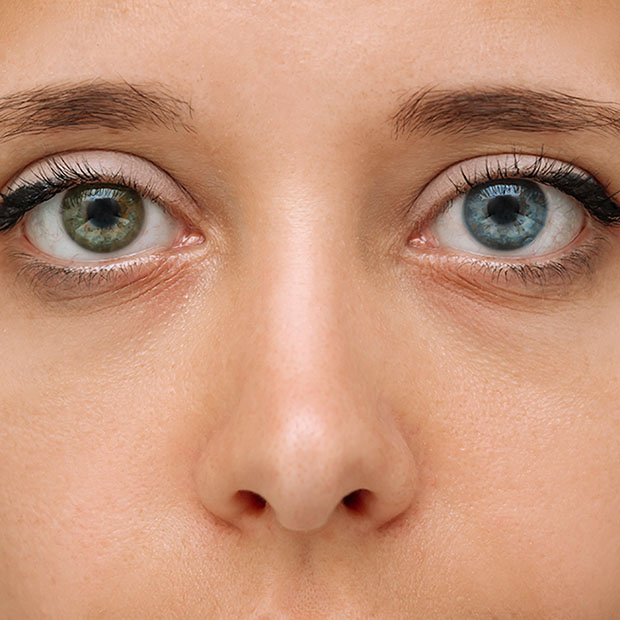
When you look into someone’s eyes, you typically expect to see a matching pair.
But for those with heterochromia, their eyes tell a different story. This captivating condition results in two different colored eyes or variations of color within a single eye, creating a striking and memorable appearance.
What Causes Heterochromia?
Heterochromia occurs when there is an irregular distribution of melanin, the pigment responsible for eye color. This condition affects fewer than 200,000 people in the United States, making it an uncommon but medically recognized phenomenon that continues to intrigue both eye care professionals and the general public.
The Three Types of Heterochromia
There are three main types of heterochromia. Complete heterochromia is perhaps the most dramatic form, where each eye is an entirely different color. One eye might be brown while the other is blue, or one green and the other hazel. Partial heterochromia, also called sectoral heterochromia, features two different colors within the same iris. You might see an eye that is predominantly blue with a distinct brown or amber section. Central heterochromia displays a different color around the pupil than in the outer portion of the iris, creating a ring-like effect.
Congenital vs. Acquired Heterochromia
Most cases of heterochromia are congenital, meaning people are born with the condition. This form is typically benign and occurs due to a harmless genetic variation during development. When melanocytes, the cells that produce melanin, distribute unevenly during fetal development, the result is varying eye colors. Congenital heterochromia often runs in families and is usually nothing to worry about.
However, heterochromia can also be acquired later in life (famous example: David Bowie). When this occurs, it warrants closer attention. Injury to the eye, certain medications, inflammation, or specific medical conditions can cause changes in iris pigmentation. Acquired heterochromia should always be evaluated by an eye care professional to rule out underlying health issues.
A Unique Trait Worth Celebrating
Throughout history, heterochromia has captured human imagination. Ancient cultures often attributed mystical or supernatural qualities to those with different colored eyes. Today, many celebrities with heterochromia have embraced this unique trait, helping to celebrate rather than hide this distinctive feature.
When to See Your Eye Doctor
If you or someone you know has heterochromia, regular eye examinations remain important. While congenital heterochromia itself typically does not affect vision or eye health, monitoring ensures that your eyes stay healthy. For acquired heterochromia, prompt evaluation helps identify and address any potential underlying conditions early. If you have questions about heterochromia or notice any changes in your eye color, our team is here to provide expert guidance.